
Table of Contents
ToggleHow Does the Eyebrow Transplant Procedure Work in Germany?
Eyebrow transplant in Germany is an aesthetic procedure that has gained popularity in recent years. Eyebrows are an important feature that define facial expression and complete facial symmetry. Eyebrow transplantation is preferred in cases of thinning, lack of density, or deformities in the eyebrows.
The eyebrow transplant procedure begins with a detailed consultation and evaluation carried out with a specialist doctor. At this stage, the patient’s expectations, the structure of the eyebrow area, and the region to be transplanted are examined.
The procedure is usually performed under local anesthesia. First, hair follicles are collected from the donor area. This area is typically the nape of the neck, as the hair follicles there are stronger. The collected follicles are then transplanted into the eyebrow area.
The transplantation process involves placing the hair follicles one by one. This procedure is meticulously performed by experts, and the follicles are placed at a specific angle and density to ensure a natural appearance.
After the procedure, the patient is given certain care instructions. These steps are important for accelerating the healing process and minimizing possible complications. Special care may be required for the first few days, but the patient usually returns to daily routines quickly.
The results of eyebrow transplantation become more noticeable over time. In the initial phase, the transplanted hairs are expected to shed, but this is temporary. Within about 3–6 months, the hairs begin to grow again, and the final results become clearer.
In conclusion, eyebrow transplantation is an aesthetic procedure chosen to enhance, reshape, or restore the eyebrows. When performed with thorough planning and precision under the supervision of a specialist doctor, it provides natural and long-lasting results.
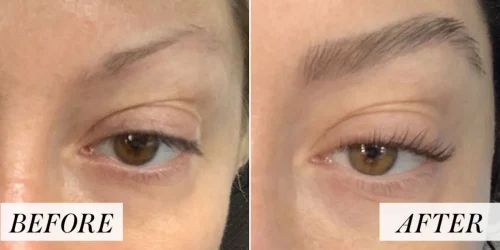
When Is an Eyebrow Transplant Needed?
Eyebrow transplantation is an aesthetic solution preferred in various situations. People generally choose eyebrow transplants when experiencing thinning, reduction, or shape irregularities in their eyebrows.
Some individuals may naturally have sparse eyebrows due to genetic factors. In such cases, an eyebrow transplant helps achieve a fuller and more defined appearance. Additionally, certain health conditions, illnesses, or trauma can lead to eyebrow loss. Eyebrow transplantation can be used to correct these issues.
Hormonal changes or improper cosmetic practices can also cause thinning or weakening of the eyebrows. In these situations, an eyebrow transplant offers a natural and long-lasting solution.
Aesthetic concerns may also influence the decision to undergo an eyebrow transplant. Some people may want their eyebrows to appear more defined or shaped in a certain way. Eyebrow transplantation can meet these expectations.
The eyebrow transplant procedure is typically personalized. After an evaluation by a specialist doctor, the patient’s expectations and the condition of the eyebrow area are assessed. Based on this, the most suitable technique and plan are determined.
In conclusion, eyebrow transplantation may be preferred due to genetic factors, health conditions, improper practices, or aesthetic reasons. It helps individuals achieve their desired look by providing fuller and more defined eyebrows.
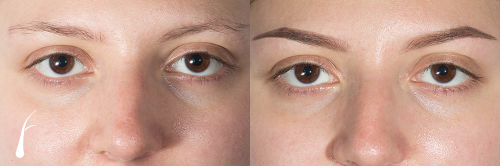
What Should Be Known Before an Eyebrow Transplant?
There are several important factors that should be known before undergoing an eyebrow transplant. First, the individual should go through a detailed consultation process before deciding on the procedure. During this stage, a specialist doctor evaluates the person’s expectations and overall health condition to determine suitability.
Since eyebrow transplantation is a surgical procedure, the patient may need to undergo certain health checks beforehand. The doctor will assess the patient’s general health status, current medications, and possible allergies to confirm whether the individual is suitable for the procedure.
Before the procedure, the patient must carefully follow the instructions provided by the doctor. In some cases, habits such as alcohol consumption or smoking may need to be discontinued. Additionally, the use of certain medications might need to be paused prior to the procedure.
The individual should also receive detailed information about how the procedure will be performed and what the recovery process will look like. This helps ensure a smoother and more comfortable healing period afterward.
In conclusion, a thorough consultation, evaluation of the patient’s health status, and adherence to the doctor’s recommendations are essential before an eyebrow transplant. These steps positively influence the pre-procedure process and contribute to achieving successful results.
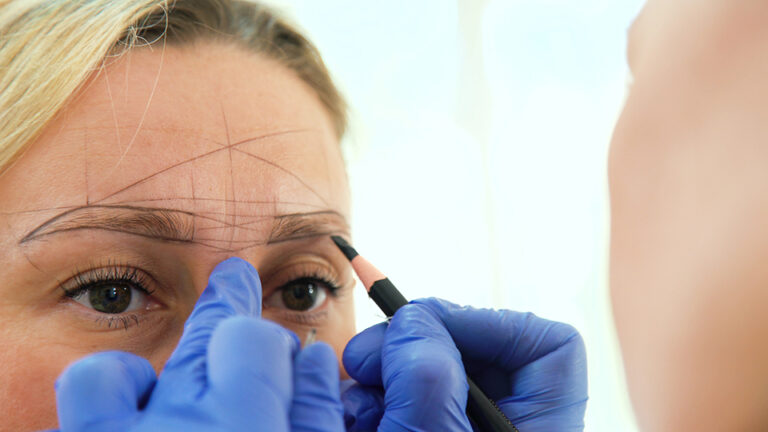
What Is the Recovery Process After an Eyebrow Transplant?
The post-eyebrow transplant process includes steps that the patient needs to pay attention to after the procedure. Mild pain and swelling are commonly seen after the operation. Painkillers and cold compresses recommended by the doctor can help make this period more comfortable.
During the post-procedure period, the person should avoid touching or rubbing the eyebrow area for a certain time. This helps the hair follicles settle properly and speeds up the healing process.
In the first few days, the person may need a certain amount of rest. Physical activities should be limited, and all actions should be in line with the instructions given by the doctor.
The wound healing process may vary from person to person. A few weeks after the transplant, shedding of the transplanted hairs may occur. This is a normal phase and is not a cause for concern. Within approximately 3–6 months, new hairs begin to grow and the results become more noticeable.
Following the doctor’s instructions is crucial for completing the post-eyebrow transplant process successfully. These steps help the person experience a comfortable recovery period and achieve the desired results.